

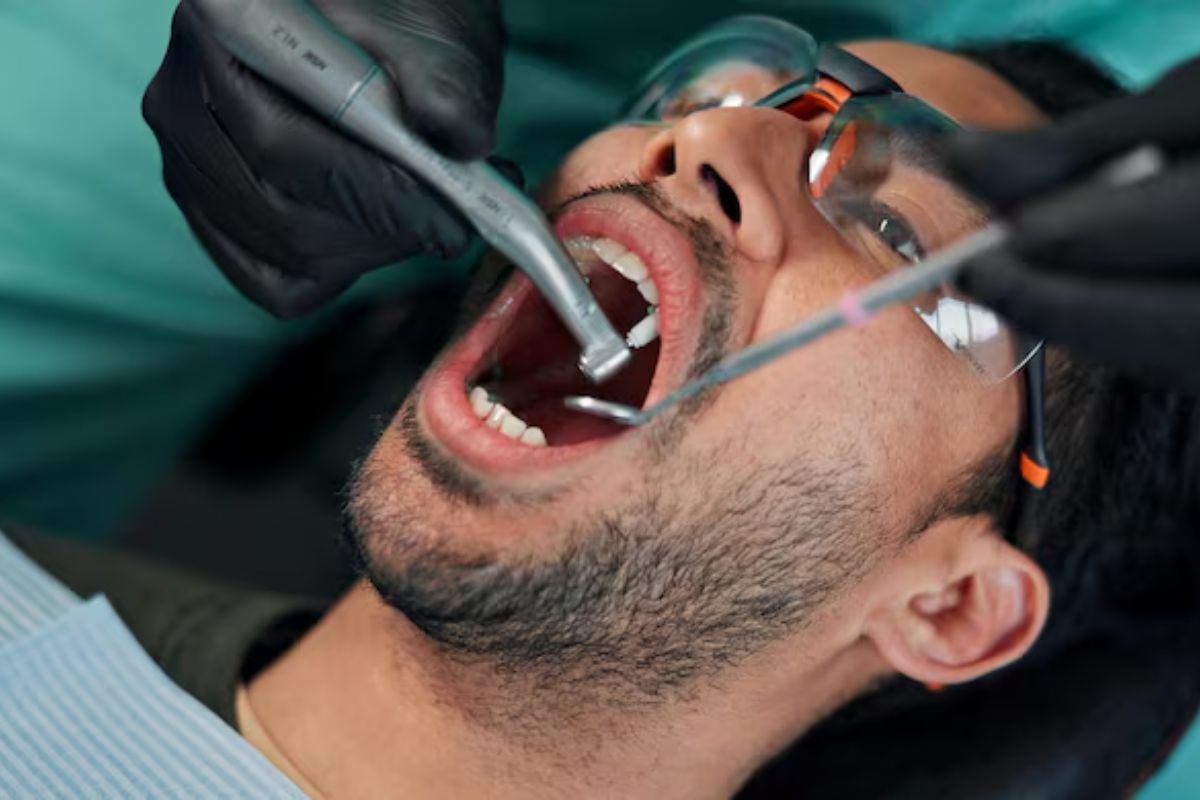
When a Broken Tooth Needs Extraction, it usually means the damage is too severe to repair with simple treatments and may affect your overall dental health and daily comfort. A broken tooth can cause pain, infection, or difficulty in chewing, and removing it may be the best way to protect your overall oral health. Understanding the process can help you feel more prepared and less anxious about the treatment.
In many cases, your dentist may recommend tooth extraction in Surrey when the tooth cannot be saved. This helps prevent infection from spreading and allows proper healing of the surrounding area while reducing the risk of further complications.
Why A Broken Tooth May Need Extraction
Not all broken teeth need to be removed, but some conditions make extraction necessary, depending on the severity and location of the damage. The decision depends on the level of damage and the condition of the tooth.
Here are some common reasons.
- Severe damage to the tooth
- Infection inside the tooth
- Crack below the gum line
- Weak remaining tooth structure
These situations make it difficult to restore the tooth, and extraction becomes the safest option to prevent further complications and protect surrounding teeth and gums while maintaining oral health.
Signs That Extraction May Be Needed
Certain symptoms may show that the tooth cannot be saved and needs to be removed to avoid further dental issues. Paying attention to these signs can help you take action early.
Here are some signs to watch for.
- Severe or ongoing pain
- Swelling around the tooth
- Difficulty chewing
- Sensitivity that does not go away
These signs may indicate serious damage or infection and should be checked as soon as possible to avoid complications and ensure proper treatment and timely care.
What Happens During The Extraction Process
The extraction process is done carefully to ensure your comfort and safety throughout the procedure and to reduce any anxiety or discomfort. Your dentist will first examine the tooth and explain the procedure.
Here are the main steps involved.
- Numbing the area
- Loosening the tooth
- Removing the tooth
- Cleaning the area
The procedure is usually quick, and you will be guided through each step to make the experience more comfortable and easy to manage while ensuring proper care.
What To Expect After Extraction
After the tooth is removed, your body begins healing the area naturally and starts repairing the gums and surrounding tissues gradually over time. It is normal to experience mild discomfort for a few days.
Here are some common experiences after extraction.
- Mild swelling
- Light bleeding
- Sensitivity in the area
- Gradual healing of the gums
Following proper care instructions helps you heal faster and reduces the risk of complications while supporting smooth and steady recovery and improving comfort.
Recovery And Aftercare Tips
Taking care of the area after extraction is very important to ensure proper healing and avoid any possible complications or discomfort. Simple steps can support healing and prevent problems.
Here are some helpful tips.
- Avoid hard foods
- Keep the area clean
- Rest as needed
- Follow your dentist’s advice
These habits help protect the area and support smooth healing over time while keeping you comfortable during the recovery period and reducing risks.
Replacing The Extracted Tooth
After extraction, your dentist may suggest options to replace the missing tooth to restore function and improve the appearance of your smile. This helps restore function and appearance.
Here are some options.
- Dental implants
- Bridges
- Partial dentures
These options help maintain your smile and prevent shifting of nearby teeth while supporting long-term oral health and stability, and improving daily function.
When To Visit A Dentist
If you notice ongoing pain or signs of infection, it is important to seek help early to prevent complications and ensure proper healing of the area. Early care helps prevent further issues.
Here are signs you should not ignore.
- Severe pain after extraction
- Heavy bleeding
- Swelling that increases
- Signs of infection
In such cases, visiting a dentist near you can help you receive proper care and ensure that your healing is progressing well without complications and delays.
Understanding Your Dental Care Options
Making the right decision about your treatment helps protect your oral health and ensures that you receive the most suitable care for your condition. A proper evaluation allows you to choose the best option.
Consulting a dentist in Surrey helps you understand your options and plan your care with confidence. This ensures that your treatment is handled safely and effectively while meeting your needs.
Take The Next Step For Your Dental Health
If you are dealing with a broken tooth, it is important to act early. Dentists of Chimney Heights provide care that focuses on your comfort and long-term oral health. Contact us today to book your visit and get the support you need for your dental care.
Frequently Asked Questions
When does a broken tooth need extraction?
It may need to be removed if the damage is very bad.
Is tooth extraction painful?
The area is numbed, so you should not feel pain during it.
How long does it take to heal after extraction?
It usually takes a few days to heal, but full healing may take longer.
What should I avoid after extraction?
Avoid hard foods and follow your dentist’s advice.