

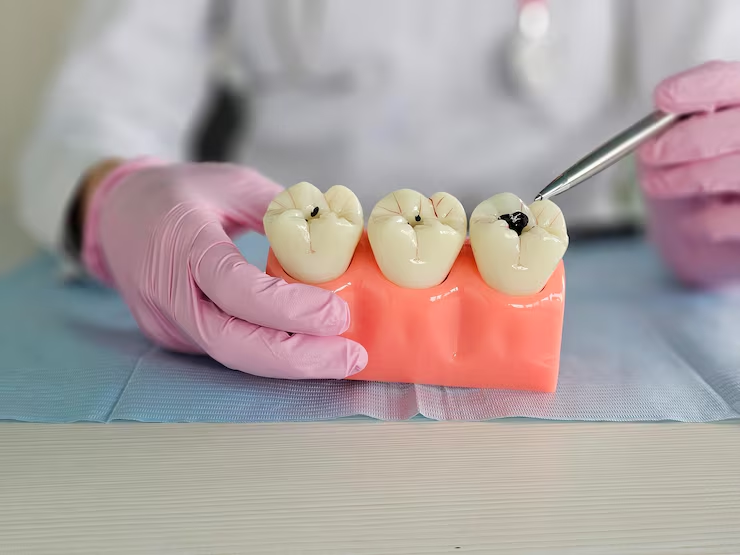
Many people think that once they get a dental crown, the tooth underneath is protected forever. But the truth is more complicated. Cavities under dental crowns can develop if you do not take proper care. Understanding how this happens helps you protect your crown and the tooth underneath. This guide explains everything you need to know about tooth decay under crown and how to prevent it.
Can a Crowned Tooth Get a Cavity?
Yes, a tooth under a crown can develop a cavity. The crown protects the top of your tooth, but it does not protect the root or the edges.
Bacteria can still reach areas around the crown. If bacteria get underneath or around the crown, decay can happen.
Dental crowns in Surrey are made to last many years. But they require proper care to stay healthy and prevent decay.
How Cavities Form Under Crowns
Tooth decay under crown happens through specific pathways.
- The crown does not cover the entire tooth. The root area is still exposed. Bacteria can attack the root.
- The edge of the crown meets your tooth. If this seal is not perfect, bacteria can sneak underneath.
- Leaky crowns allow bacteria and decay-causing acids to get inside. Over time, decay develops under the crown.
- Poor oral hygiene allows bacteria to thrive. Plaque builds up around the crown edges.
Signs of Decay Under Your Crown
Several warning signs indicate you might have decay under your crown.
- Pain or sensitivity around the crowned tooth is a sign something is wrong. Sharp pain when chewing indicates a problem.
- Darkening of the tooth near the gum line suggests decay. You might see a dark line where the crown meets your tooth.
- Bad breath or foul taste near the crown indicates decay or infection. These smells come from bacteria under the crown.
- Swelling or tenderness in your gum near the crown shows infection. This needs professional attention.
Preventing Cavities Under Your Crown
Taking proper care prevents decay under your crown.
- Brush around your crown carefully twice daily. Use a soft toothbrush and gentle pressure.
- Floss around the crown edges every day. This removes plaque and bacteria that cause decay.
- Avoid chewing on hard objects. Chewing ice, hard candy, or your nails can damage crowns.
- Do not use your crowned tooth to open packages or bottles. This puts excess stress on the crown.
- Rinse with water after meals. This washes away food particles and bacteria.
- At a dental clinic in Surrey, your dentist can show you the best way to care for your crown.
Regular Dental Check-ups
Professional care is essential for crown health.
- Visit your dentist every six months. Regular check-ups catch problems early.
- Your dentist inspects your crown carefully. They check for leaks, decay, and other problems.
- Your dentist cleans around your crown thoroughly. Professional cleaning removes buildup your toothbrush cannot reach.
- X-rays show if decay is developing underneath. Early detection means easier treatment.
What Happens If Decay Develops
If decay forms under your crown, treatment is necessary.
- Your dentist removes the crown. This exposes the decayed area.
- The decay is cleaned out. Your dentist removes all infected tooth structure.
- The tooth is restored. A new crown is placed, or the tooth is repaired.
Your Crown Needs Lifelong Care
- A crown is not permanent protection. It requires ongoing care and maintenance.
- Your crowned tooth needs the same attention as your natural teeth. Brush, floss, and visit your dentist regularly.
- A dental clinic near you can provide the care your crown needs. Regular professional attention keeps your crown and tooth healthy.
Protect Your Crown Investment
You invested money in your crown. Protecting it through proper care makes it last longer.
At Dentists of Chimney Heights, our experienced team helps you maintain healthy crowns. We monitor your crowns during regular visits and catch problems early. Book your dental check-up with us today and protect your crown and your tooth.
FAQs
How long can decay remain unnoticed beneath a crown?
Decay can go unnoticed for months or years before symptoms occur. It’s essential to have regular dental check-ups. Decay beneath a crown can be seen on X-rays before any pain is felt.
Can I get a cavity on the crown itself?
No – the crown material cannot develop cavities. But decay can form on the tooth underneath the crown or around the crown edges.
What should I do if I think I have decay under my crown?
Call your dentist right away. They will examine your crown and take X-rays. Early treatment prevents serious problems.
How can I tell if my crown has a bad seal?
Signs of a bad seal include sensitivity, pain, dark lines around the crown, or bad breath. See your dentist if you notice these signs.
Can my crown be repaired if decay is found?
Sometimes the crown can be removed and replaced. If the decay is severe, the tooth might need extraction. Your dentist explains your options.